
How cheating affects society. Infidelity, also known as commonly as cheating, is a word that stirs up a lot of feelings: heartbreak, anger, confusion, and sometimes even relief. But its effects don’t stop with the two people in the relationship.
In a world where we’re all connected, betrayal isn’t just a personal problem anymore. It touches whole families, communities, and even the way a culture thinks about loyalty. As we figure out how to trust again and heal, it helps to look at how cheating shapes the way we all think and how people find their way back.
In this piece, we’ll look at the wider impact of infidelity, beyond the heartbreak, and share ways to grow and understand each other better after betrayal. Whether you’ve been through it yourself or just want to understand it better, you’re not alone. Let’s talk it through. How Cheating Affects The Society
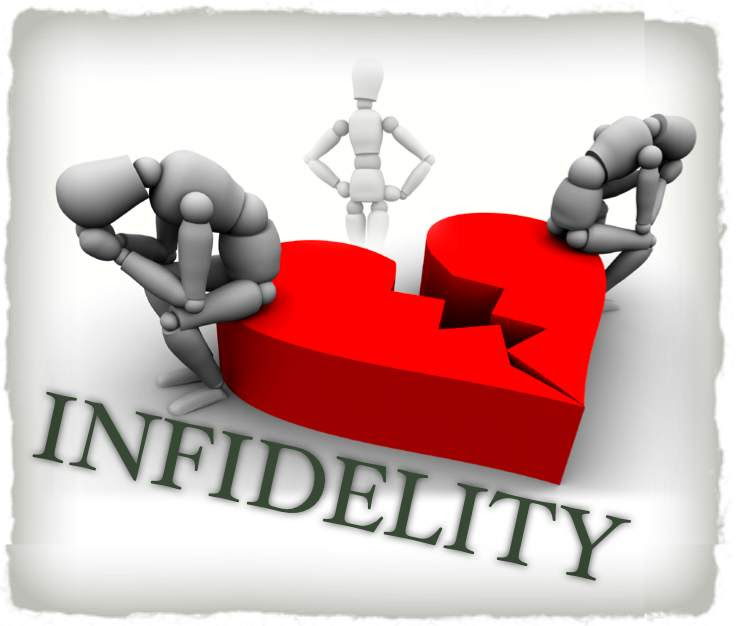
Betrayal and Recovery – How Cheating Affects The Society
Infidelity carries a lot of weight. It means betrayal, heartache, and broken trust. When one partner steps outside their commitment, it doesn’t only hurt the couple. It spreads to their families, friends, and the people around them.
But what actually counts as cheating? Is it a one-time slip, or can it be an emotional bond with someone else? Cheating comes in different forms, from a physical affair to a deep emotional connection that pulls a partner away. Knowing the difference helps us understand why it hurts so much.
In this article, we’ll look at how cheating affects people personally and how it affects society. We’ll cover how it damages trust, how it shapes future relationships, and how people who were cheated on are often judged unfairly. We’ll also look at recovery, which starts with admitting how much it hurts.
Betrayal doesn’t happen in a bubble. It changes how all of us as a society think about love, loyalty, and commitment. That’s why it matters, not just for the people involved, but for everyone around them.
What Counts as Infidelity? – How Cheating Affects The Society
People define cheating differently depending on their values and culture. At its core, though, infidelity means breaking the trust in a romantic relationship. It can be physical or emotional.
Physical infidelity means having a sexual relationship with someone outside the partnership. Most people see it as the most obvious kind of betrayal.
Emotional infidelity is quieter but can hurt just as much. It happens when one partner builds a close emotional bond with someone else that weakens their commitment at home.
These definitions sound simple, but they matter a lot. Being cheated on isn’t only about what happened. It wears away the closeness and security the relationship was built on. Understanding this is important for anyone trying to make sense of love and loyalty.
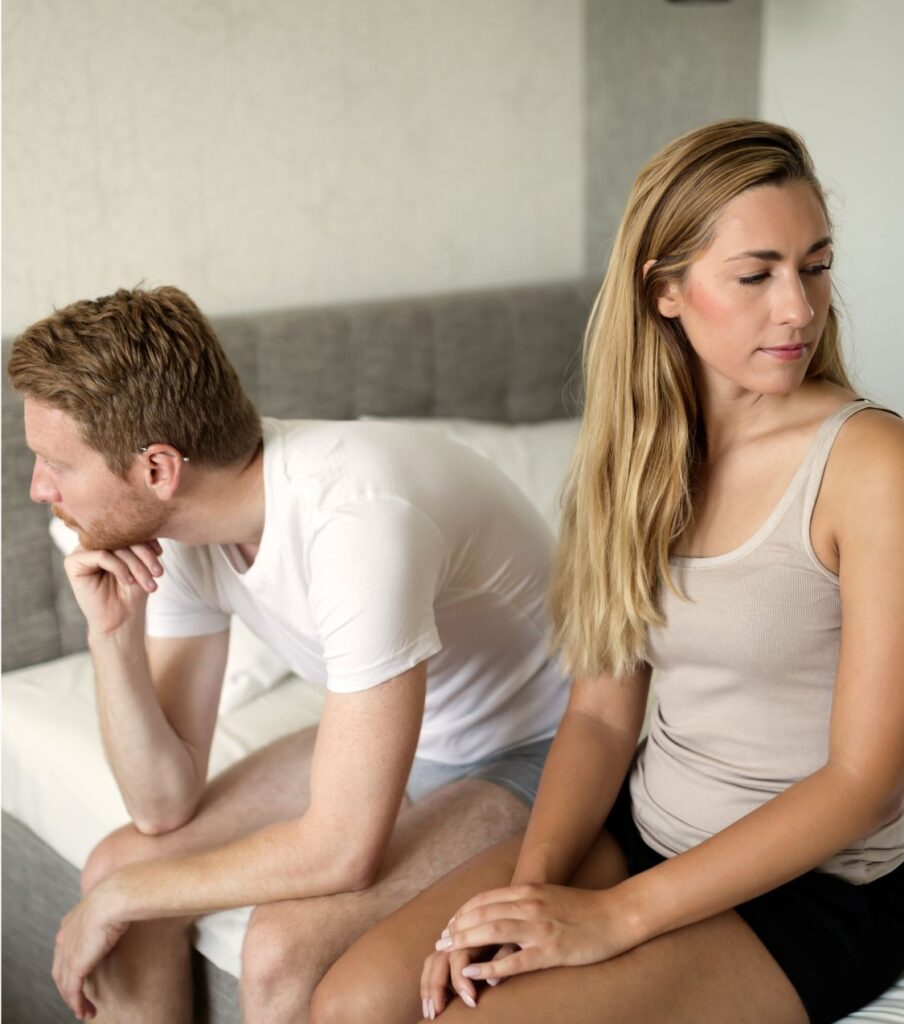
According to equality mental health Physical Infidelity and Sexual Affairs do not only affect the family but also society, and here is how cheating affects society
The most clear-cut form. Sexual contact of any kind with someone outside the relationship. In monogamous relationships, this almost always counts, even when the person insists there was no emotional attachment.
Emotional Infidelity and Emotional Affair Signs
The clearest emotional affair signs are secrecy, growing closeness with one particular person, and a shift in who gets told first. No sexual contact needs to happen. Many people describe it as more painful than a physical affair because it threatens emotional safety rather than just fidelity.
Online Relationships, Porn, and Digital Grey Areas
Sexting, dating app profiles, and secret flirting through direct messages may count depending on your agreement as a couple. Some call the smaller behaviors micro cheating, things that stay just under the line but still erode trust.
How It Affects Relationships and Individuals
Cheating can break a relationship at its foundation, but it doesn’t end there, as it affects society as a whole, and that damage isn’t easy to repair. Trust gets replaced by doubt and suspicion, and that brings a lot of emotional pain.
People who are cheated on often feel anger, sadness, and deep hurt, and these feelings can stay long after the first shock wears off. Their self-worth often takes a hit too, and they may start asking themselves what’s wrong with them. How Cheating Affects The Society
Communication often falls apart as both partners deal with painful memories and insecurities. Instead of supporting each other, they may pull away or fight more.
For many people, being cheated on changes what love means to them. They may find it hard to get close to someone new because they’re afraid of being hurt again. And the pain spreads to family and friends who watch it all happen.
How Infidelity Affects Society and the other person Sidepiece/side chick
Cheating doesn’t only affect the people involved. When one partner cheats, it can make friends and family doubt their own relationships, too.
People who’ve been betrayed may go into new relationships guarded and suspicious, afraid of going through the same pain again. Over time, this creates a cycle of mistrust that shapes how we see love and commitment.
On top of that, people often judge the partner who was cheated on instead of the one who cheated. They may be seen as not good enough, which is unfair and makes healing even harder. According to DePompo, Paul Butsuhara, Misa) On psycharchives Research on affairs has failed to acknowledge the “other woman” or “other man,” focusing only on the married spouses. The goal of this study was to explore the unique experience of the “other” partner to determine aspects critical to the navigation and healing process of these relationships. In this qualitative study, 49 participants, between the ages of 23 and 60 (N = 49; 31f, 18m), who were engaged in meaningful relationships with married partners completed a set of questionnaires and engaged in a semi-structured interview. Measures, which included the Beck Depression Inventory-II (BDI-II), Beck Anxiety Inventory (BAI), and the Experience in Close Relationships Questionnaire Revised (ECR-R), indicated clinical levels of anxiety and maladaptive attachment styles among all participants. Seven themes emerged into a model that incorporates the role of anxiety, along with the origin and maintenance of these relationships. A protocol that combines areas of trauma, GAD, and social anxiety will likely be beneficial.
Damage to Trust and Closeness – How Cheating Affects The Society
Talking about the damage to society, we will explain further how cheating affects the society as a whole. Trust is the base of any relationship, and cheating can destroy it in a moment. Afterward, the betrayed partner may question everything they thought was true.
Closeness suffers too. It’s hard to open up when there’s doubt in the air. Happy memories can turn into painful reminders.
Rebuilding closeness takes courage and honesty from both people and we can say this closeness by people who have been cheated on does not only affect their closeness to their families alone but also to the society as a whole and there this is consider one of the many ways of how cheating affects the society collectively. But fear often gets in the way, and partners may end up tiptoeing around each other instead of reconnecting. How Cheating Affects Society
This damage doesn’t stay inside the relationship. It can affect friendships and family ties as well. One betrayal can change how a person relates to others for years.
How It Shapes Future Relationships
Cheating can leave scars that last into the next relationship. People who’ve been cheated on may hold back from fully committing to someone new.
The fear of being hurt again can make them put up walls. They might doubt a new partner’s intentions or suspect cheating when there’s none, which leads to anxiety and insecurity.
It can also change how they see commitment. Believing in real loyalty becomes harder.
They may also find it hard to open up, worried that being vulnerable will lead to another heartbreak. In this way, cheating affects not just one relationship but how a person approaches love for years afterward.
Judging the Person Who Was Cheated On
The partner who was cheated on often carries a heavy load. Instead of support, they sometimes get blame.
Friends and family might ask, “What did you do wrong?” or suggest they weren’t a good enough partner. Comments like these can make the person feel alone, ashamed, and full of self-doubt on top of the heartbreak.
This makes healing harder. It’s tough to move on when other people keep questioning your worth and your choices.
It’s important to remember that cheating says more about the person who cheated than the person who was cheated on.
Understanding Recovery
Healing from infidelity isn’t simple. It starts with facing what happened, and both partners need to deal with the pain honestly.
Talking openly is key. Each person should be able to share their feelings without being judged. That honesty is where healing begins.
Rebuilding trust takes time. It comes from consistent actions that show real change. Being open, like sharing phone passwords or being clear about where you are, can help the betrayed partner feel safer.
Therapy can help a lot. A neutral person can guide both partners through hard emotions and help them understand each other.
Healing doesn’t happen in a straight line, and there’s no set timeline. Painful feelings can come back without warning, and that’s normal.
Why You Have to Face the Betrayal
Admitting what happened is the first step toward healing. Cheating breaks trust and can leave emotional wounds that last for years.
Facing it lets both partners deal with their feelings honestly. The goal isn’t to blame, but to understand what led to the betrayal. That makes real conversations possible.
It also means creating a safe space where both people can share their hurt and fears without getting defensive. This openness builds empathy, which is needed to rebuild closeness.
Ignoring or downplaying the cheating only makes the pain last longer. It can lead to resentment, more distance, and bigger problems later. Taking time to work through it together gives the relationship a stronger base.
In the end, facing the betrayal can turn pain into a chance for both people to grow.
How Cheating Affects Society
Steps to Rebuild Trust and Heal
Rebuilding trust after cheating takes care and patience. Here’s what helps:
- Be honest. Both partners need to talk openly about how they feel and what they’ve been through.
- Set clear boundaries. Agree on what commitment looks like from now on so both people feel secure.
- Take responsibility. The partner who cheated has to own what they did, without excuses or blaming.
- Give it time. Rushing can lead to more hurt and resentment. Patience lets feelings settle and understanding grow.
- Consider couples therapy. A therapist can help you work through hard emotions and learn better ways to communicate.
- Celebrate small wins. Noticing progress together keeps you going and reminds you that healing is possible.
xxc
Cheating isn’t only a private betrayal. When trust breaks in a relationship, families and communities feel it too.
Children pay close attention. They learn about loyalty and commitment by watching their parents, and cheating can shape how they see relationships, sometimes leading them to repeat the same patterns.
Cheating also builds a habit of secrets and lies. That takes a toll on the mental health of both partners, and the stress can spill over into friendships, work, and social life.
When we treat cheating as “nobody else’s business,” we ignore how far its effects reach. Healthy communities depend on trust. Taking cheating seriously helps build better relationship habits for the next generation. How Cheating Affects The Society
The Effect of cheating on Families and Communities
Cheating hurts more than the couple. Children are often hit hardest, and what they see at home can shape how they understand love and trust. Some grow up afraid of commitment or expecting to be lied to.
Communities feel it too. Friends take sides, friendships break apart, and social circles become tense.
On a bigger scale, when cheating seems common, people start expecting betrayal. They protect themselves more and let people in less, and that makes real connection harder for everyone.
Dealing with cheating isn’t just about the individuals. Families carry the emotional pain, and communities can take years to recover from the broken relationships.
How It Affects Children’s View of Love
Children pick up on everything around them. When they see cheating at home, it can change how they understand love and trust. They may start to feel that relationships aren’t stable, and that commitment is something that can disappear at any time. This can make them anxious about their own relationships later on.
According to Talkspace, how much cheating affects a child depends a lot on what happens afterward. Younger kids often don’t know about the affair itself, but they can still sense the hurt and anger in their parents. Older kids may figure out that something is wrong even if nobody tells them directly.
The good news is that the damage isn’t always lasting. If the cheating was a one-time thing and the parents work through it calmly, often with the help of couples counseling, the effect on the kids may be small. In some cases, seeing their parents repair the relationship can even be good for them.
Things are harder for children when the cheating leads to months or years of fighting, lingering distrust, or a bitter divorce, especially if nobody helps them deal with their feelings. It can also hurt kids when a parent treats them like a confidant and shares details of the affair or their own pain with them, or when a child finds out about the affair by accident.
As adults, these children may find it hard to be vulnerable or to trust a partner. They might also carry unresolved feelings that affect how they treat partners and friends. The effects of cheating can last long after the affair is over, sometimes across generations.
Overcoming Stigma and Moving Forward
Healing from infidelity is hard, but it is possible. Getting support, whether from a therapist or a support group, gives people a safe place to talk about their feelings and work through the pain.
Society also has a part to play. Instead of judging, we can respond with understanding. Talking more openly about loyalty and relationships can help remove the shame that betrayed partners often feel. That helps people heal, and it helps communities build healthier relationships.
When we deal with these issues together, we help the next generation grow up with a stronger, healthier view of love and commitment. Recognizing how cheating affects everyone is a step toward relationships built on trust and respect.
Recovery takes time, so be patient with yourself and with others. Every step forward matters, for the people who were hurt and for all of us as we figure out what healthy relationships look like today. It starts with understanding ourselves and each other, so we can move beyond betrayal and toward healing.
According to michellemays, being cheated on can make you lose your self-control completely and utterly. In the aftermath of discovering both sexual betrayal and the enormous deception and reality manipulation that always accompany it, most partners experience stronger emotions than they have ever felt.
These waves of fear, rage, panic, and anxiety are not small lap-the-shore waves, either. They are a middle-of-ocean, ship threatening storm of crashing, furling, and foaming chaos. Many partners are shocked at how big their anger is and how completely out of control they feel. They are stunned by their inability to manage the tempest in which they find themselves.
Because partners’ ability to trust their own perception of reality has been undermined by the gaslighting and they have no way of knowing if what their spouse is now telling them is real or another lie, they have no solid ground to stand on – not inside of themselves and not outside of themselves within the relationship. This lack of safety and stability and the ongoing sense of danger and threat that they are living with in the early aftermath of discovery is what creates the enormous, overwhelming, out of control emotions that they grapple with.
Let’s just all bow our heads for a moment and acknowledge that this is not pretty. When I was in this stage, I did not recognize myself. I had no idea I could be as angry as I was. I was unhinged with overwhelming confusion, grief, and fear, and these all came pouring out of me in ways that shocked and surprised me. Overnight, I turned into an emotional street brawler. I no longer had any thought about fighting fair with my sexually addicted partner. I was in a fight for my life and the normal rules of engagement went out the window.
I am not alone. In my work with partners over the past two decades I have literally heard it all. I have heard of raging fights, hitting, slapping, and punching the cheater, the police being called and partners spending the night in jail, precious objects being thrown and shattered, the cheater’s possessions being damaged or destroyed, revenge cheating, public shaming, shopping and financial revenge, revenge against the affair partner, careers sabotaged, children dragged into the middle, family relationships ruined, etc., etc., ad infinitum as the list is truly endless.
Every partner I’ve ever worked with has had at least one story (and most have many stories) of completely losing it in ways that, afterward, cause consternation, embarrassment, and often shame.
It does not feel good to be out of control. It can be deeply disturbing for partners to witness their own out of control behavior – behaviors they would never in their right minds condone in themselves or anyone else. Partners often feel enormous regret about being so out of control and promise themselves they are going to get a grip and never do that again, only to find themselves back in the red rage a few days later.
The shame that partners feel about these behaviors can keep them from talking about their actions in therapy or small groups. And I notice that when these behaviors are spoken about, they are often spoken about from a place of either self-righteousness or blame.
Self-righteousness and blame are the energies that drive offending from the victim position. This occurs when you have been truly victimized (for example, by being cheated on and lied to), and you then believe that gives you the right to become an offender. When partners talk about their out of control behaviors, they often speak as though they have every right to do anything they want to the cheater. The cheater cheated and therefore deserves whatever is dished out. In fact, as far as the partner is concerned, it is the cheater’s fault that the partner is behaving this way.
Partners couch their out-of-control behaviors in this type of thinking because they are trying to avoid the shame and confusion they feel about their actions and reactions. Whenever we are defending against shame, we will often pick something to defend with that has a nugget of truth wrapped inside of a slice of baloney.
Typically, the nugget of truth inside of the self-righteousness and blame is that the devastating emotions and sense of danger and threat that you are experiencing are truly too much for you and are overwhelming your coping capacities, leaving you vulnerable to acting out your despair and rage in ways you never thought you would. This is true, and it is why these episodes of exploding rage are so common for betrayed partners.
The baloney is the idea that someone else is responsible for your actions. You don’t let the cheater get away with blaming you for the cheating (at least I hope you don’t!) In the same way, you cannot blame the cheater for your behaviors.
Also, and this is the most important part, when you blame the cheater for your reactions, you give your power to the cheater. You basically place yourself in a position where you are powerless to help yourself, powerless to grow your coping capacities and learn to deal with what has happened in different, healthier ways. Instead, you leave yourself at the mercy of your cheating partner, believing that you are stuck where you are until the cheater changes or does something different.
What I dream of are safe spaces for partners to talk about these episodes of out of control rage and fear so the shame that being caught up in the torrent of overwhelm creates can be processed and released. Partners need to be able to tell on themselves and know that they will not be judged, and they will not be shamed. At the same time, partners can know that the therapist and group will not allow them to hide in self-righteousness and blame but will instead empower them to identify and process the emotions that keep sweeping them away so they can grow their emotional capacity and learn new coping skills.
I was on a coaching call a couple of weeks ago with the women who completed the Braving Hope® program over the summer. (When you complete the program, you go into an alumni group called Braving Forward.) One of the women said that the biggest gift she received from her work in Braving Hope® was the ability to reclaim her dignity. She said that she had lost her dignity when she lost her voice and her power. When she acted out her despair and rage, she lost more of her dignity each time. Through her work in the coaching program, she learned to use her voice effectively, set boundaries, ask for what she needs, and talk to her partner from a place of personal power. For her, these things allowed her to reclaim her dignity in both her relationship and with herself.
This is what I want for all of you. The ability to reclaim your dignity through growing your capacity to manage the big emotions that follow betrayal. To learn to speak with strength, clarity, and courage to your partner. To grow your resilience to the place where you know deep in your bones that you will be OK regardless of what your partner chooses, and to enter into the freedom that this gives you to set boundaries and to ask for what you truly need within the relationship.
The loss of dignity that betrayed partners experience as a result of reacting from trauma symptoms to the ongoing lack of safety in their relationship is no small matter. My hope is that by talking about it here, the stigma around this is relieved, that you feel more normal, and that your shame about things you may have done or said in those out-of-control moments is eased. I also hope that you now see clearly that you do not have to stay in this place of overwhelm. There is a path out of powerlessness into a strong sense of self, and there are new skills and coping capacities that allow you to reclaim your dignity as the precious individual you are. How Cheating Affects Society